

Maintenance Tips to Extend the Life of Your Corrugated Box Machine
- BOX MAKER
- HIGH GRAPHIC PRINTER VARNISH DRYER
- HIGH SPEED COMPUTERIZED PRINTER
- AUTOMATIC PRE-FEEDER MACHINE
In the fast-paced packaging industry, corrugated box machines are the backbone of production efficiency and product quality. These machines—whether they are flexo folder gluers, die cutters, or corrugators—represent a significant capital investment. Keeping them in optimal working condition isn’t just a matter of reducing downtime; it’s about maximizing return on investment, maintaining output quality, and ensuring workplace safety.
A proactive and well-structured maintenance strategy can significantly extend the lifespan of your corrugated box machine. Below, we explore practical, professional maintenance tips that will help you safeguard your equipment and optimize performance.
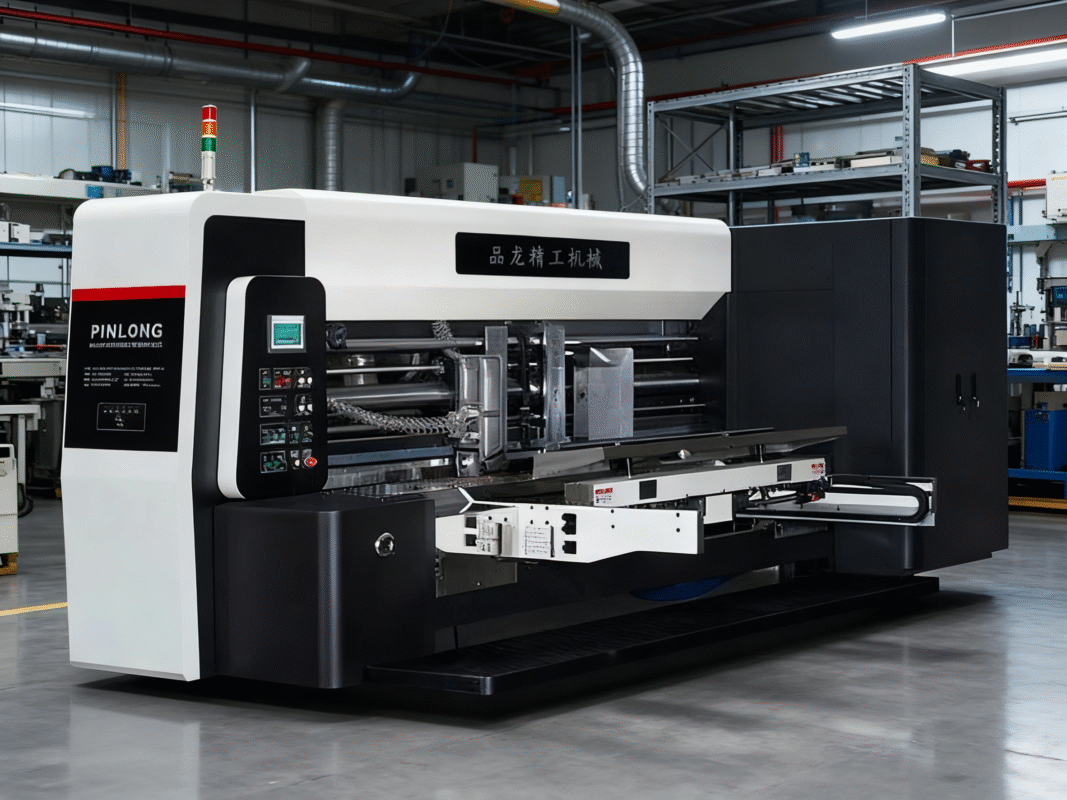
1. Implement a Preventive Maintenance Schedule
One of the most common mistakes manufacturers make is relying on reactive maintenance, addressing problems only after a breakdown occurs. Instead, a preventive maintenance (PM) program ensures regular inspection, cleaning, and replacement of wear-prone parts before they fail.
Key Steps:
- Create a maintenance calendar: Schedule daily, weekly, and monthly maintenance tasks based on manufacturer guidelines.
- Use checklists: Include items such as lubrication points, belt tension, bearing condition, and roller alignment.
- Record activities: Maintain logs for all maintenance tasks performed, helping to identify recurring issues and trends.
Preventive maintenance not only reduces downtime but also allows you to plan repairs during non-peak hours—keeping production consistent and predictable.
2. Keep the Machine Clean and Dust-Free
Dust, paper debris, and adhesive residue are the silent enemies of machinery. Corrugated box machines operate in environments where dust from paper fibers can accumulate rapidly. Over time, this buildup can interfere with sensors, clog air filters, and cause mechanical friction.
Best Practices:
- Daily cleaning routine: Use compressed air or vacuum systems to remove dust from motors, control panels, and conveyors.
- Clean adhesive units: Regularly wipe down glue tanks and applicators to prevent buildup that can cause uneven application or clogs.
- Check ventilation and air filters: Replace or clean filters periodically to prevent overheating of electrical components.
A clean machine operates more efficiently and reduces the risk of overheating, misalignment, or premature wear on moving parts.
3. Lubricate Regularly and Correctly
Lubrication is one of the simplest yet most effective maintenance practices. Proper lubrication minimizes friction between moving parts, prevents metal-to-metal contact, and reduces energy consumption.
Tips for Effective Lubrication:
- Follow OEM recommendations: Use only manufacturer-specified lubricants for bearings, chains, and gears.
- Establish lubrication intervals: Over-lubrication can be as damaging as under-lubrication, leading to grease buildup and component wear.
- Use automatic lubrication systems: For large machines, automated systems ensure consistent lubrication and reduce the risk of human error.
- Inspect oil levels: Regularly check oil levels in gearboxes and hydraulic systems and replace old or contaminated oil promptly.
Routine lubrication helps maintain smooth operation and prevents costly breakdowns caused by friction-related damage.
4. Inspect and Replace Worn Parts Promptly
Over time, components such as rollers, blades, belts, and bearings naturally degrade due to constant use. Waiting until these parts fail can result in unplanned downtime or even damage to other connected systems.
Action Plan:
- Visual inspections: Check for visible signs of wear—cracks, corrosion, or misalignment.
- Monitor performance changes: Vibrations, unusual noises, or reduced accuracy often indicate component fatigue.
- Maintain spare parts inventory: Keep critical components in stock to avoid production delays during repairs.
Replacing worn parts proactively helps maintain consistent product quality and prevents cascading failures that could lead to major repairs.
5. Calibrate and Align Regularly
Corrugated box machines rely on precise calibration to produce boxes of uniform quality and dimensions. Misalignment in rollers, cutting dies, or folding sections can lead to waste, rework, and machine strain.
Calibration Tips:
- Use alignment tools: Employ laser alignment or dial indicators for accurate roller positioning.
- Check cutting blades and dies: Ensure clean cuts and correct registration to prevent edge fraying or mis-sized boxes.
- Test feed systems: Make sure the sheet feeding mechanism delivers material smoothly without skewing or jamming.
Routine calibration ensures consistent product output and reduces the stress that misaligned components can place on the machine.
6. Train Operators and Technicians
Even the best maintenance plan can fail if operators lack proper training. Machine misuse, incorrect setup, or neglectful operation can accelerate wear and tear.
Training Focus Areas:
- Proper startup and shutdown procedures: Avoid abrupt power-offs or incorrect sequence operations.
- Recognizing warning signs: Teach operators to identify unusual sounds, vibrations, or error codes early.
- Safety and emergency protocols: Reinforce correct use of safety guards and lockout/tagout procedures during maintenance.
Skilled operators are your first line of defense in identifying potential issues before they escalate into major failures.
7. Monitor Machine Performance with Data
Modern corrugated box machines often come equipped with IoT (Internet of Things) sensors and smart control systems. These allow you to track key parameters such as speed, temperature, vibration, and power consumption in real time.
Benefits of Condition Monitoring:
- Early detection: Identify abnormal readings that may indicate mechanical or electrical issues.
- Data-driven maintenance: Use analytics to predict when specific parts will need servicing or replacement.
- Reduced downtime: Address potential failures before they interrupt production.
Implementing predictive maintenance tools helps extend the machine’s life while optimizing production efficiency and cost management.
Conclusion
Extending the life of your corrugated box machine requires a proactive approach rooted in discipline, documentation, and operator awareness. By adhering to a structured maintenance plan—emphasizing cleanliness, lubrication, calibration, and data monitoring—you not only enhance machine longevity but also improve production efficiency, reduce downtime, and maintain consistent product quality.
In an industry where reliability translates directly to profitability, maintenance isn’t just a task—it’s an investment. Treat your corrugated box machine with the same care you give to your most valuable assets, and it will reward you with years of dependable performance.
Would you like me to optimize this version for SEO (with keywords like corrugated box machine maintenance, packaging machinery care, industrial equipment upkeep, etc.) and provide meta title/description and keyword list? That would make it ready for your website or blog publishing.
CONTACT US


Guangdong Pinlong Precision Technology Co., Ltd.
We are always providing our customers with reliable products and considerate services.
If you would like to keep touch with us directly, please go to contact us